YOUR CULTURE. YOUR GRAPHICS. YOUR FIT.
Build a hoodie that feels like part of your brand from the first glance. Our custom streetwear hoodies bring together considered proportions, expressive artwork and personalised finishing details for clothing collections and merchandise.
Start with the silhouette you want, then develop the fabric, colour palette and decoration around it. From understated embroidered symbols to statement back graphics, create a garment that represents your creative direction.
Minimum 10 hoodies
Printed and embroidered branding
Personalised colours and placements
Options for teams, businesses and brands
10
Minimum order
24h
Free mockup
14–21
Working days
4.9 ★
from 1,200+ clients
IDENTITY IN EVERY DETAIL
Streetwear gives you room to express a point of view through clothing. The proportions, fabric texture and artwork all contribute to how a piece is recognised and worn.
A distinctive hoodie does not need to rely on a large graphic. A specific body shape, restrained colour palette or carefully positioned brand symbol can be equally central to the design. Develop these elements together so the finished garment feels coherent.
Explore regular, relaxed, oversized or boxy proportions. Choose measurements that support your intended look rather than relying on fit labels alone.
Consider weight, composition, interior finish and drape together to create the feel your collection needs.
Build a visual hierarchy through your main graphic, smaller brand details and the space between them.
Coordinate labels, hang tags and packaging with the garment so the product presentation follows the same creative direction.
BUILD YOUR VISUAL SIGNATURE
Create a design language that carries across the garment. Choose a focal point, decide which details should remain subtle and consider how the hoodie looks from the front, back and side.
The decoration method should support the artwork and fabric. Share your references and intended finish so suitable options can be assessed.
Develop bold typography, illustrations and defined colour designs. Screen printing can suit repeated artwork, with the number of colours, garment fabric and order quantity influencing the approach.
Explore multicolour graphics and detailed designs using direct-to-film transfers. Consider the coverage and placement alongside the surface feel you want.
Introduce a textured brand symbol, wordmark or stitched detail. Compact embroidery can create a quiet signature without competing with the silhouette.
Add a raised effect to selected lettering or graphic elements. Simpler shapes and clear spacing can help make the finish a deliberate part of the artwork.
Add your identity through woven labels with agreed wording, dimensions and positions. Coordinate label colours with the wider collection.
Complete the presentation with branded hang tags and packaging options suited to your merchandise or retail range.
DEFINE YOUR COLLECTION’S FOUNDATION
Streetwear is a design direction rather than one fixed hoodie specification. Your piece might use a shorter boxy body, a longer relaxed shape or a classic fit with distinctive artwork.
Start with the measurements and fabric that support your idea. Then plan the hood, sleeves, hem and branding so every element contributes to the intended result.
Hoodie construction
Available pullover, zip-up or cropped styles
Silhouette
Regular, relaxed, oversized or boxy proportions
Body measurements
Agreed chest width and body length
Shoulders
Standard or dropped-shoulder options, subject to style
Sleeves
Sleeve volume, length and cuff opening
Fabric composition
Available cotton-rich or blended materials
Fabric weight
Confirmed GSM for the selected fabric
Interior
Available brushed fleece or unbrushed finish
Hood
Shape, lining and drawcord requirements
Pockets
Construction and positioning for the selected design
Cuffs and hem
Available finishing and preferred proportions
Colours and finishes
Available shades and any specialist finish enquiries
Decoration
Suitable printing and embroidery methods
Artwork placements
Agreed front, back and sleeve positions
Brand finishing
Available labels, hang tags and packaging
Sizes
Confirmed size range and garment measurements
Minimum order
Confirmed for the complete specification
Production schedule
Confirmed with the quotation and approval process
Choose colours that connect the garment to your brand and the other pieces in your range. A focused palette can give different designs a shared identity, while a contrast colour can highlight a particular release.
Review garment shades alongside print colours, thread and labels. For washed or faded effects, agree the intended appearance and any acceptable variation before ordering.
Send your sketches, measurement guide, artwork placements or reference images. Explain the details that matter most, whether that is the shoulder line, hood shape, fabric feel or graphic scale.
CREATED AROUND YOUR COMMUNITY
Develop clothing that reflects the people behind your project. A considered streetwear hoodie can connect a visual identity with a community, collection or shared interest.
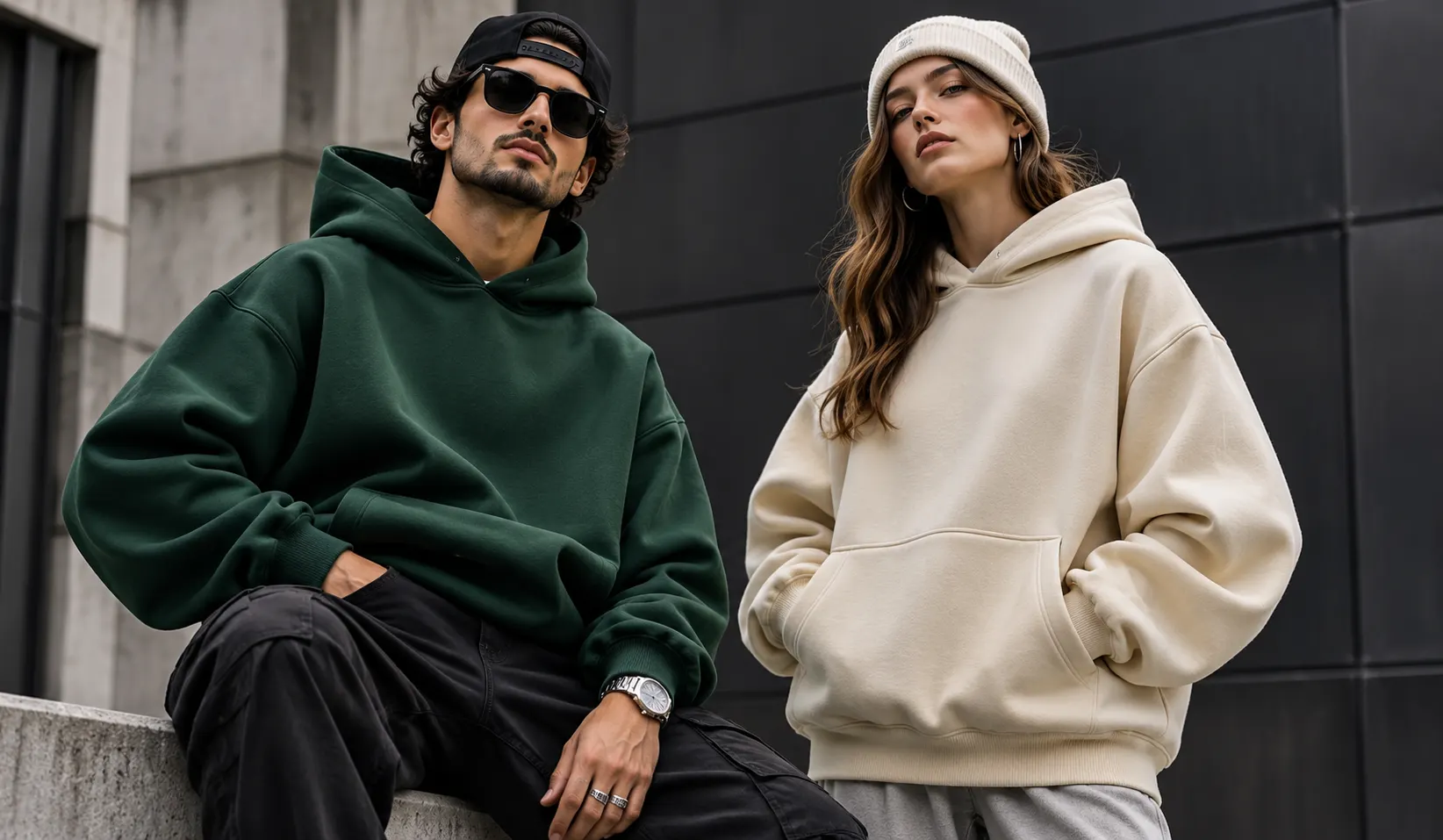
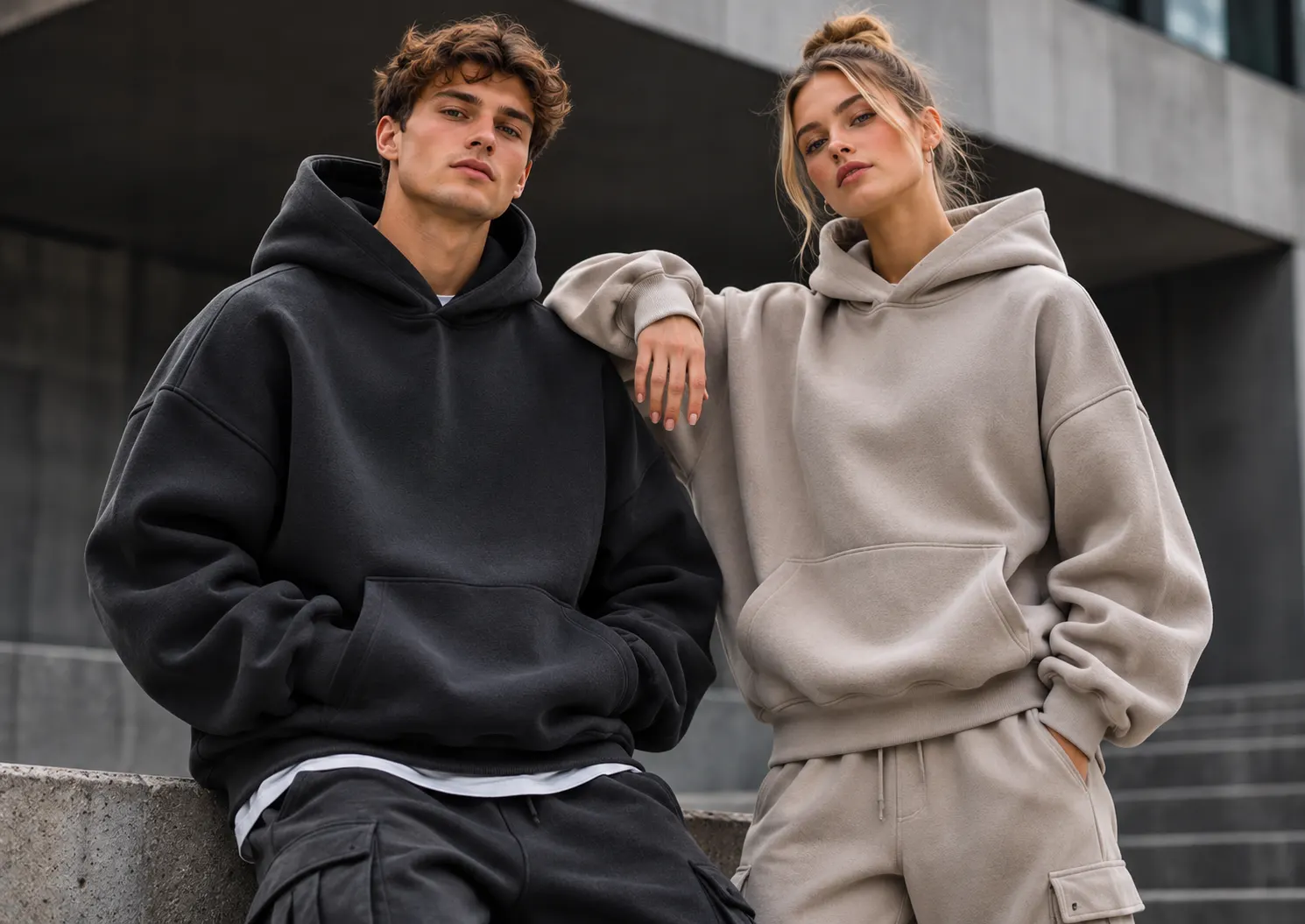
For Businesses
Move beyond a basic logo placement by developing clothing around your business identity. Consider how the fit, artwork and colour palette work together.
Lifestyle merchandise
Creative business collections
Collaborative promotional releases
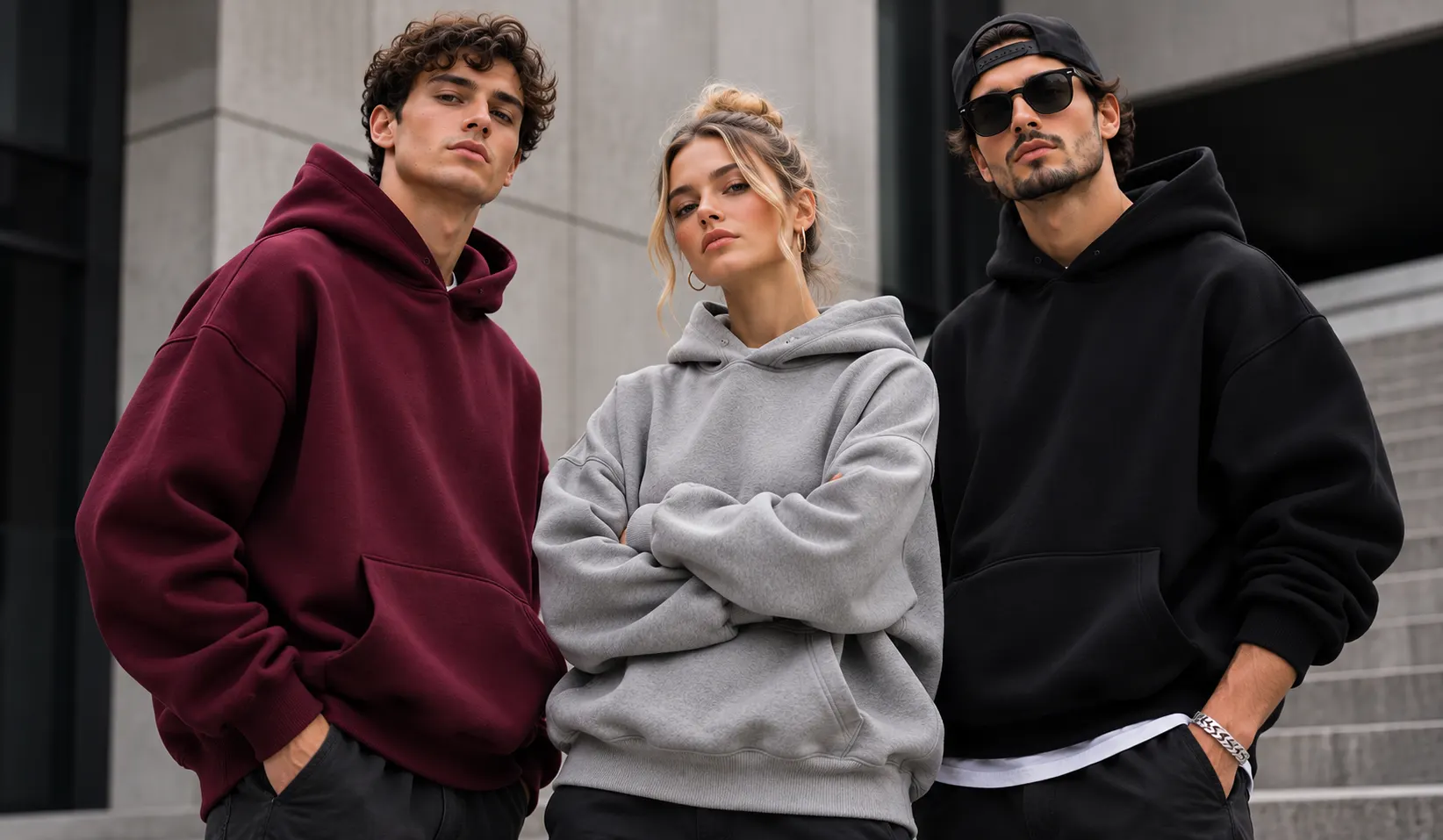
For Sports Teams
Create casual merchandise inspired by your club’s colours, history or community. Use team graphics and selected personalised details for clothing worn beyond match day.
Supporter collections
Club lifestyle merchandise
Team travel clothing
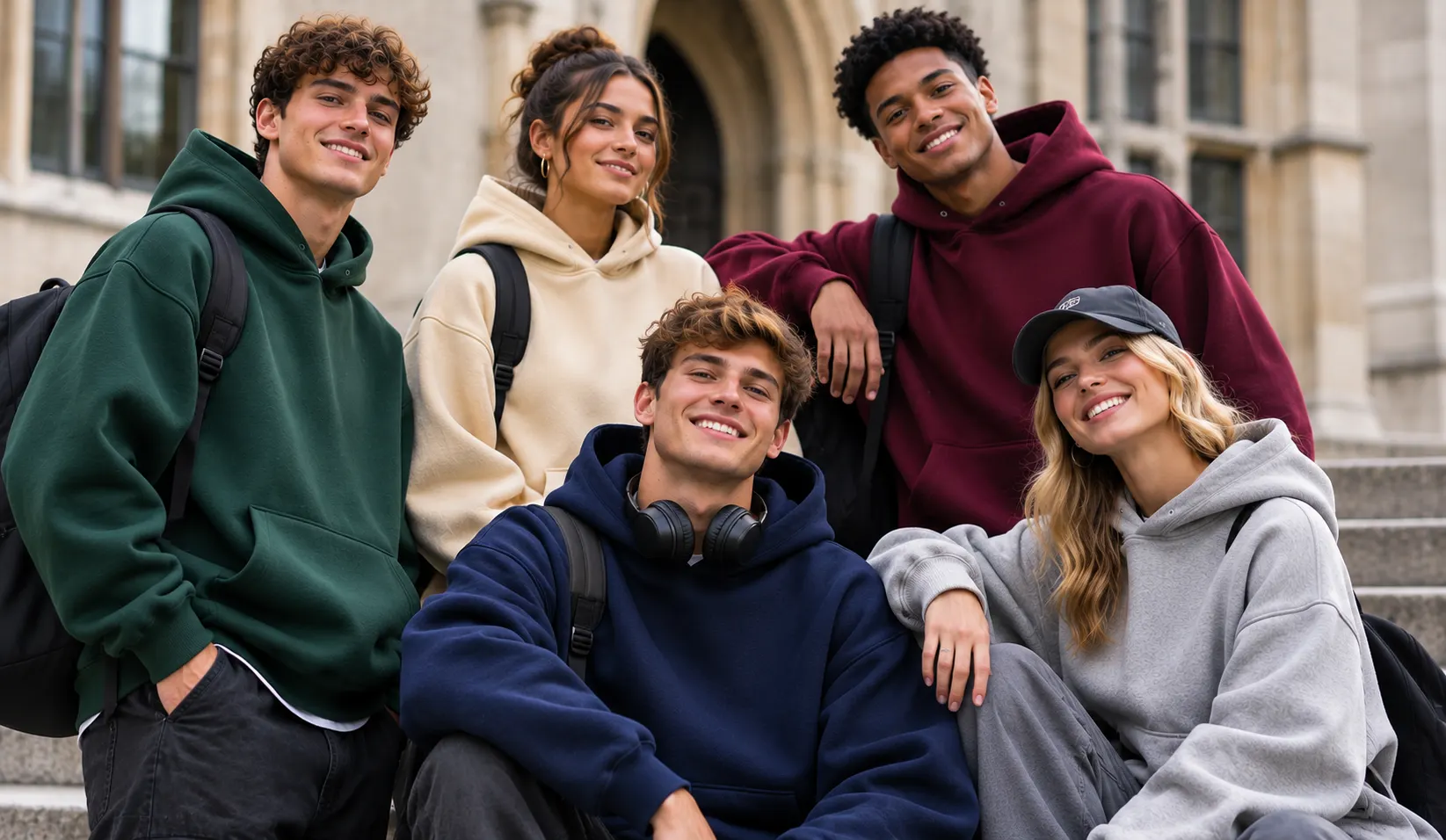
For Schools & Universities
Turn society artwork or a shared creative idea into a considered garment. Define the silhouette and decoration around how the group wants to wear it.
University societies
Student creative projects
Campus merchandise collections
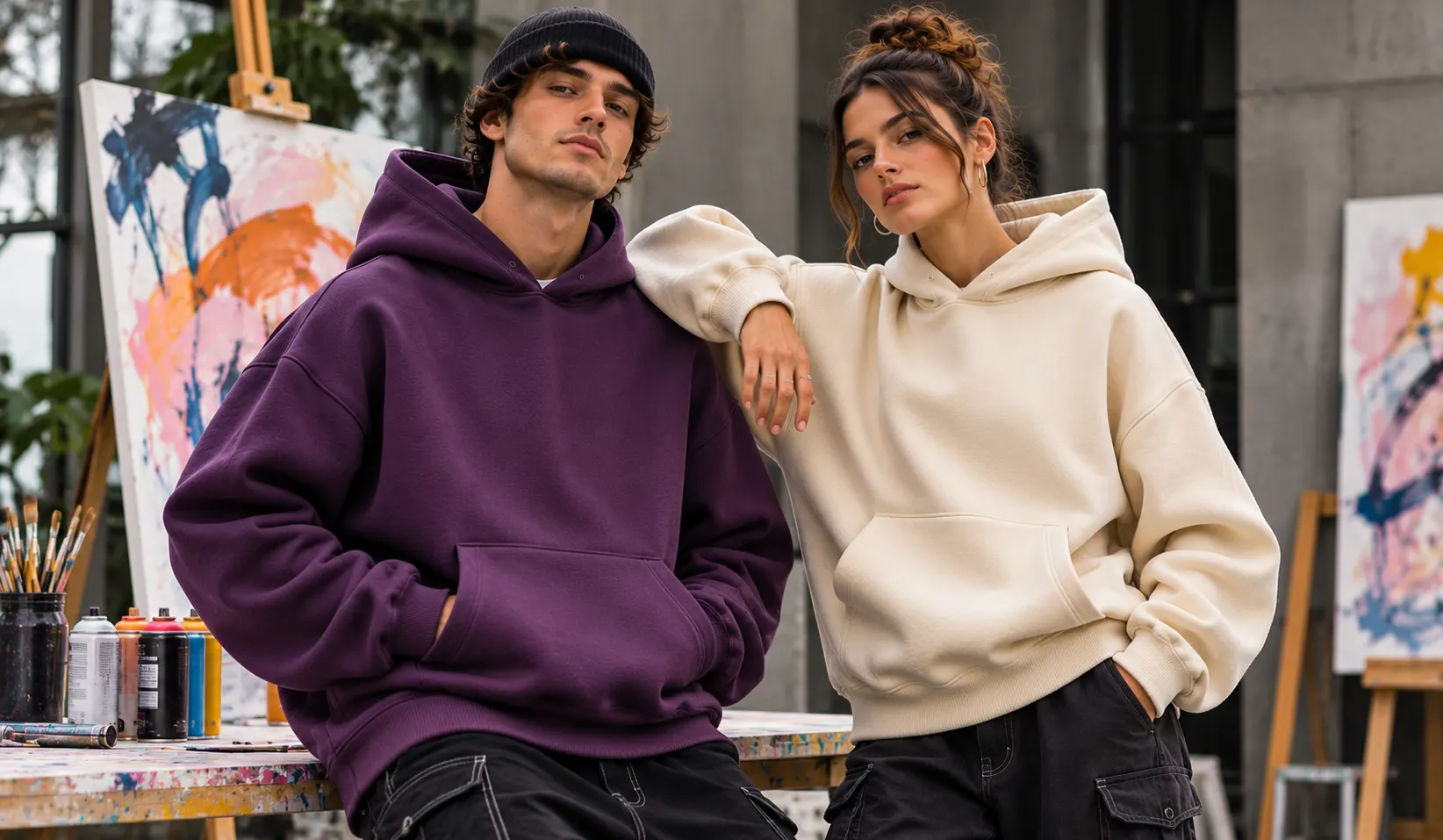
For Events & Festivals
Develop hoodies around an artist, performance, event or collaboration. Bring the visual identity into the artwork, garment colour and presentation.
Music and creator merchandise
Event collections
Collaborative launches
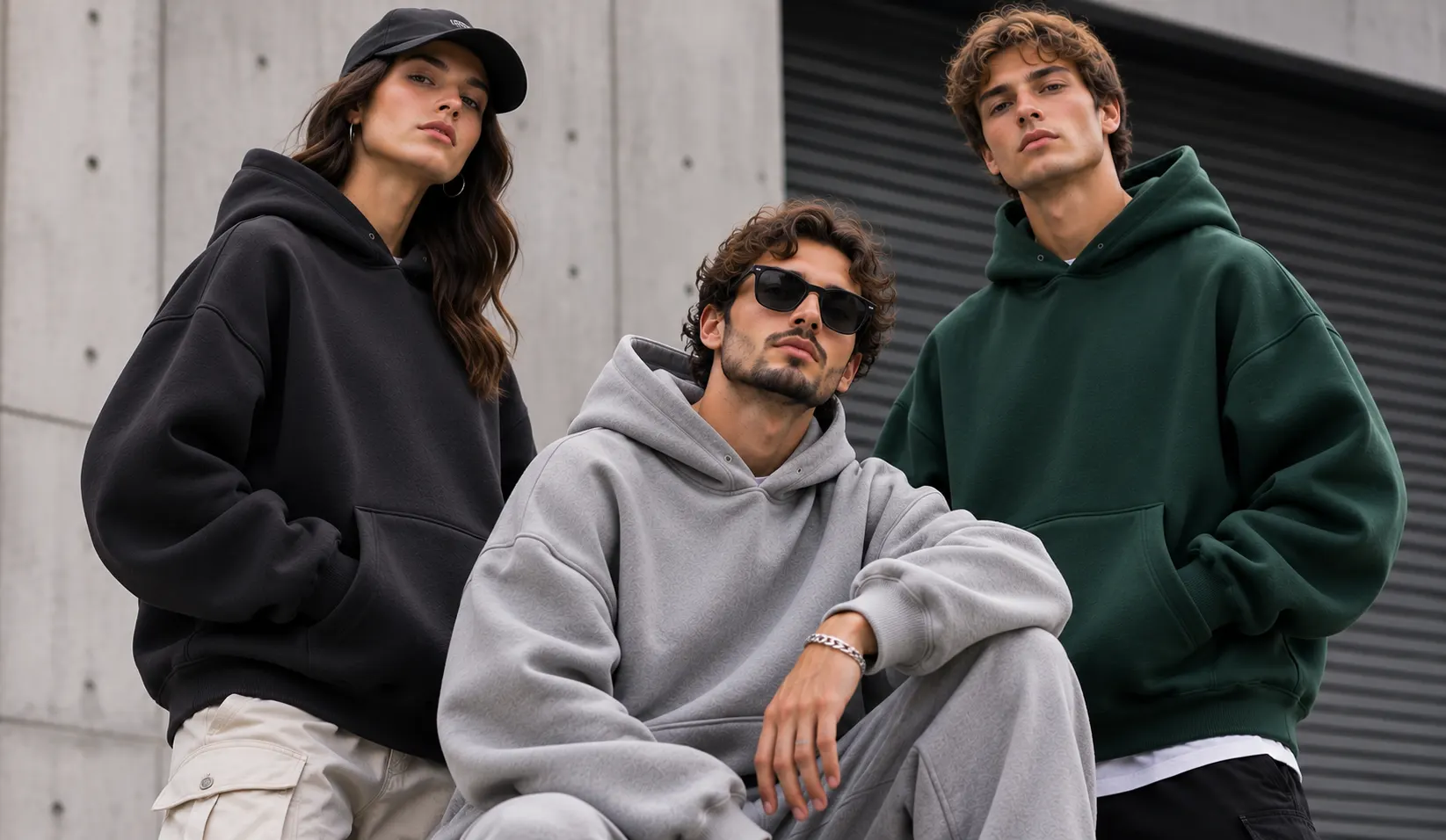
For Clothing Brands
Build your product around a clear creative brief. Define the fit, fabric and artwork before adding the labels and finishing details that connect it to your collection.
Independent clothing labels
Graphic-led releases
Coordinated seasonal ranges
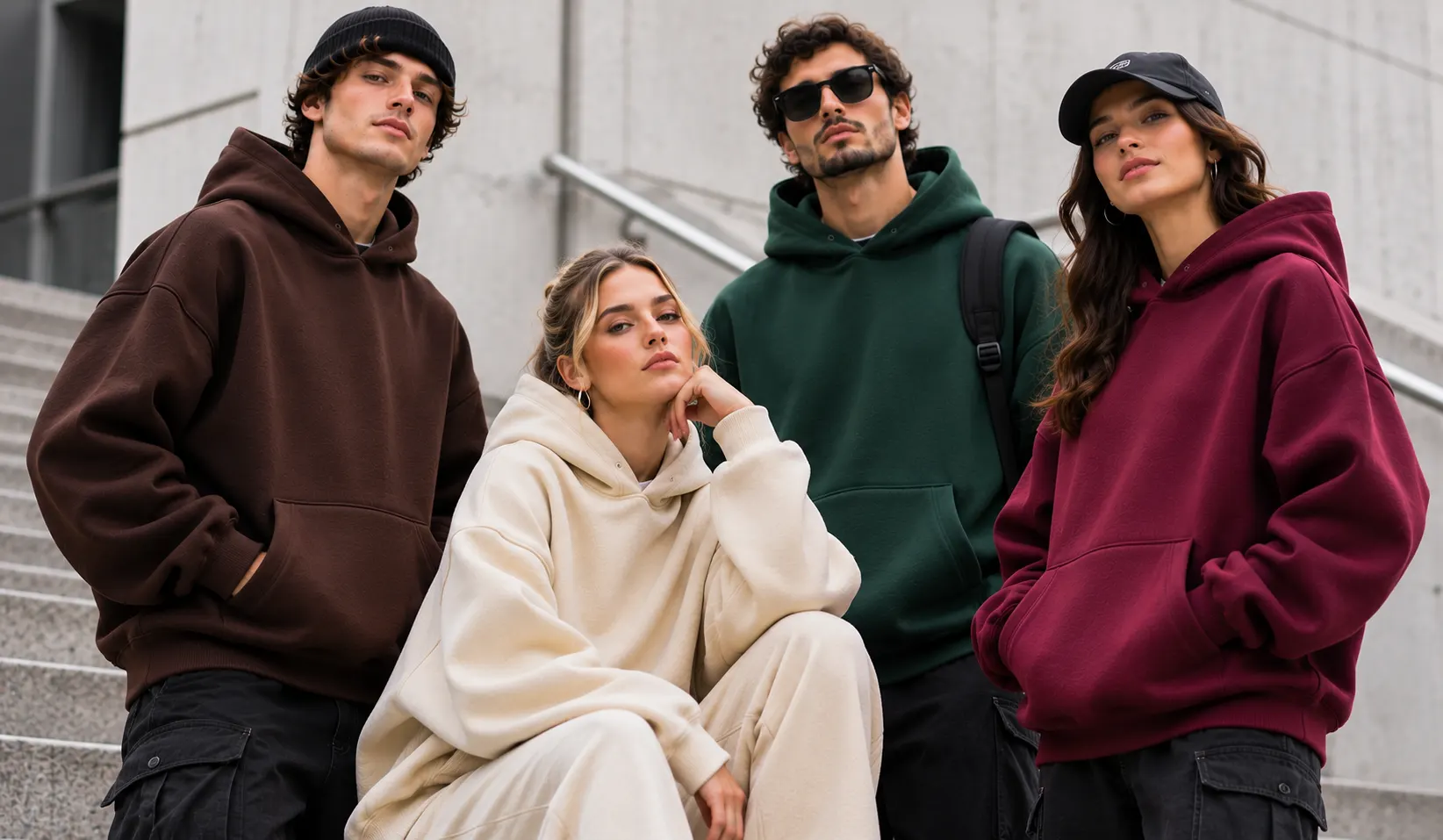
For Charities
Create merchandise that combines your message with an intentional garment design. Work with typography, symbols and colour to represent the campaign.
Awareness collections
Creative fundraising merchandise
Community collaborations
FROM CREATIVE DIRECTION TO FINISHED GARMENT
A detailed brief helps connect your design idea with a practical garment specification.
1
Send artwork, sketches or reference images alongside your quantity, colours and size requirements. Explain the fit and fabric feel you want.
2
Check the proposed garment measurements, materials and artwork placements. Review print dimensions, embroidery details and finishing requirements alongside the quotation.
3
Confirm the final design and complete order specification. Any sample or additional approval requirements should be agreed before production proceeds.
4
Your completed hoodies are prepared for dispatch to the agreed address. Include your intended launch date in the initial brief so timing can be assessed.
STREETWEAR HOODIE FAQS
What makes a hoodie a streetwear hoodie?
Streetwear is shaped by the garment’s creative direction, styling and cultural context rather than a single construction. Fit, graphics, fabric and brand identity all contribute. A streetwear hoodie can be minimal, graphic-led, regular fitting or oversized.
No. Oversized fits are one option, but regular, boxy and cropped silhouettes can also support a streetwear collection. Choose the proportions that express your brand and suit your audience.
Boxy usually describes a wider body with a comparatively shorter length. Oversized refers more broadly to extra room through the garment. A hoodie can combine both characteristics, so actual measurements are the clearest guide.
Choose weight alongside composition, construction and finish. A more substantial fabric may support a firmer silhouette, while a softer fabric can create a looser drape. GSM alone does not establish quality or the finished feel.
You can request a heavyweight option for assessment. Include your preferred GSM, interior finish and silhouette, or share a reference garment to communicate the result you want.
Include the desired effect in your enquiry so availability can be checked. Specialist finishes may affect colour consistency, fabric appearance and decoration suitability. Agree the finish and acceptable variation before production.
Yes, submit artwork that you own or have permission to reproduce. Include the intended dimensions and positions so the design can be reviewed against the garment.
A large back design can be requested within the available decoration area. Consider how the hood sits over the upper back and whether one artwork size will be used across the complete garment size range.
You can request combinations such as an embroidered chest symbol with a screen-printed back graphic. Each process and position should be included in the brief for an accurate assessment and quotation.
Puff effects generally suit selected bold shapes and lettering better than very fine details. The design needs sufficient space for the raised effect, so artwork adjustments may be required.
Review the artwork against the actual garment measurements. A graphic should be considered in relation to the chest width, body length and nearby construction features. Confirm both its width and height before approval.
Sleeve artwork can be assessed against the garment construction and available print area. Seams, cuffs and access for the printing process influence the suitable placement.
Ask about woven labels, hang tags and packaging options. Supply the artwork, wording, dimensions and preferred positions so they can be included in the specification.
A technical pack is helpful when you have specific measurements and construction requirements, but a clear initial brief can also start the discussion. Reference images, artwork and a list of priorities help explain your intended result.
Ask which sampling options are available for your specification. A digital layout, fabric reference and decorated garment sample provide different information. Confirm the cost, approval process and effect on timing before ordering.
Include every requested garment colour and its artwork variation in your enquiry. Different colourways may need separate decoration preparation and may have their own quantity requirements.
Consider your audience and preferred fit, then review a consistent measurement chart. Body width, length, shoulders and sleeves should work together across the range rather than being judged from size labels alone.
Follow the garment care label and the instructions supplied for its decoration and finishes. Washed effects, prints and embroidery may require particular care, so use the guidance for the specific product.
Provide vector artwork such as AI, EPS or suitable PDFs for logos and defined graphics. High-resolution images may suit illustrated designs. Include any measurement guides, placement layouts and colour references.
The minimum depends on the garment construction, fabric, decoration and finishing requirements. Share your intended quantity so suitable options can be confirmed.
Pricing reflects the complete product: fabric, construction, quantity, decoration, labels and packaging. Specialist finishes and additional development requirements may also affect the quotation.
Timing depends on material availability, design development, approvals and production requirements. Share your launch date early and request a confirmed schedule before committing to promotional plans.
Keep your approved artwork and garment specification for reference. On a reorder, fabric, colours and component availability need to be checked again. Any changes should be reviewed before production.
FIND YOUR COLLECTION’S FOUNDATION
Compare silhouettes and fabric choices before finalising your design.
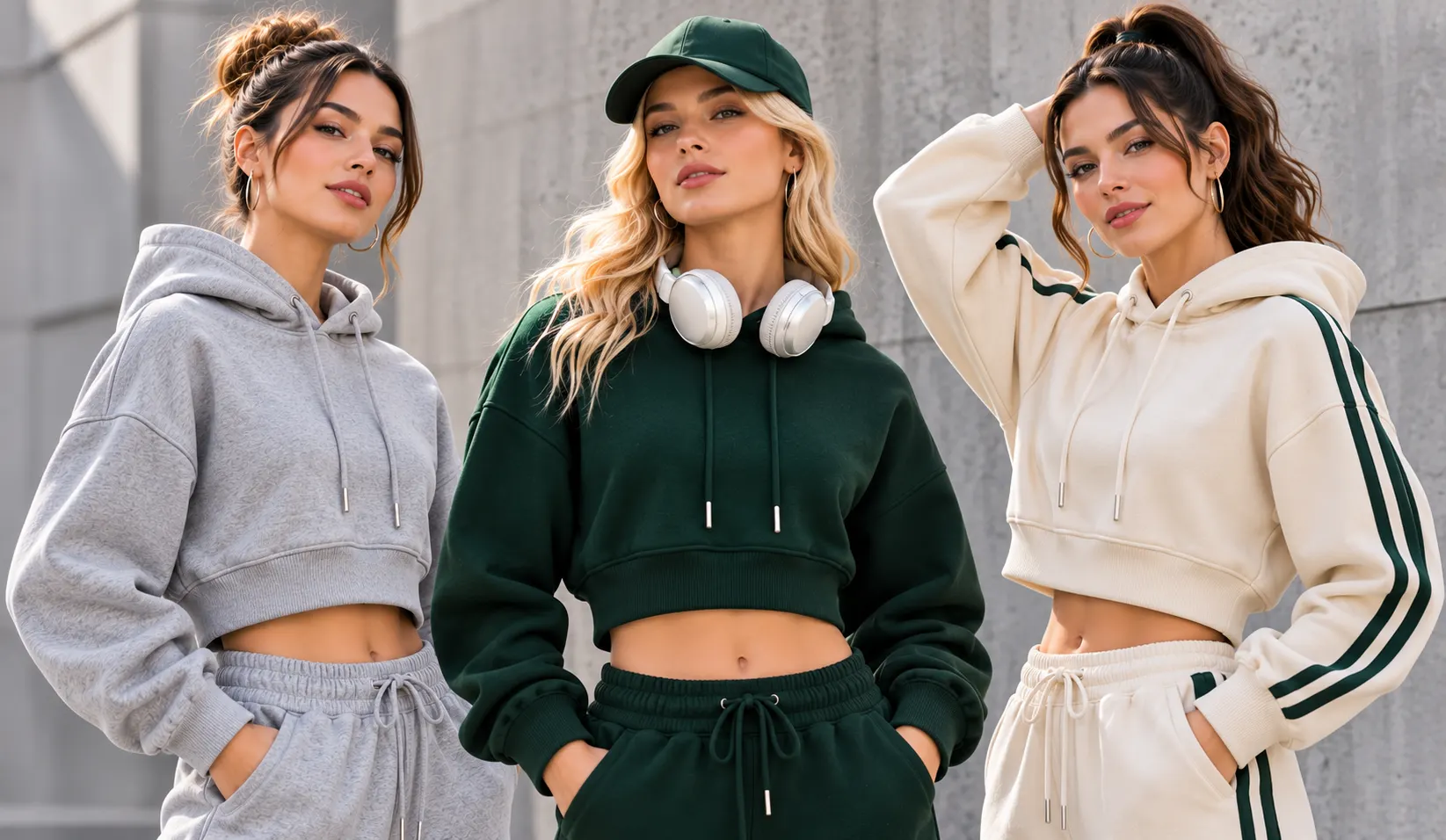
Develop a shorter body length with balanced sleeves and considered hem finishing.
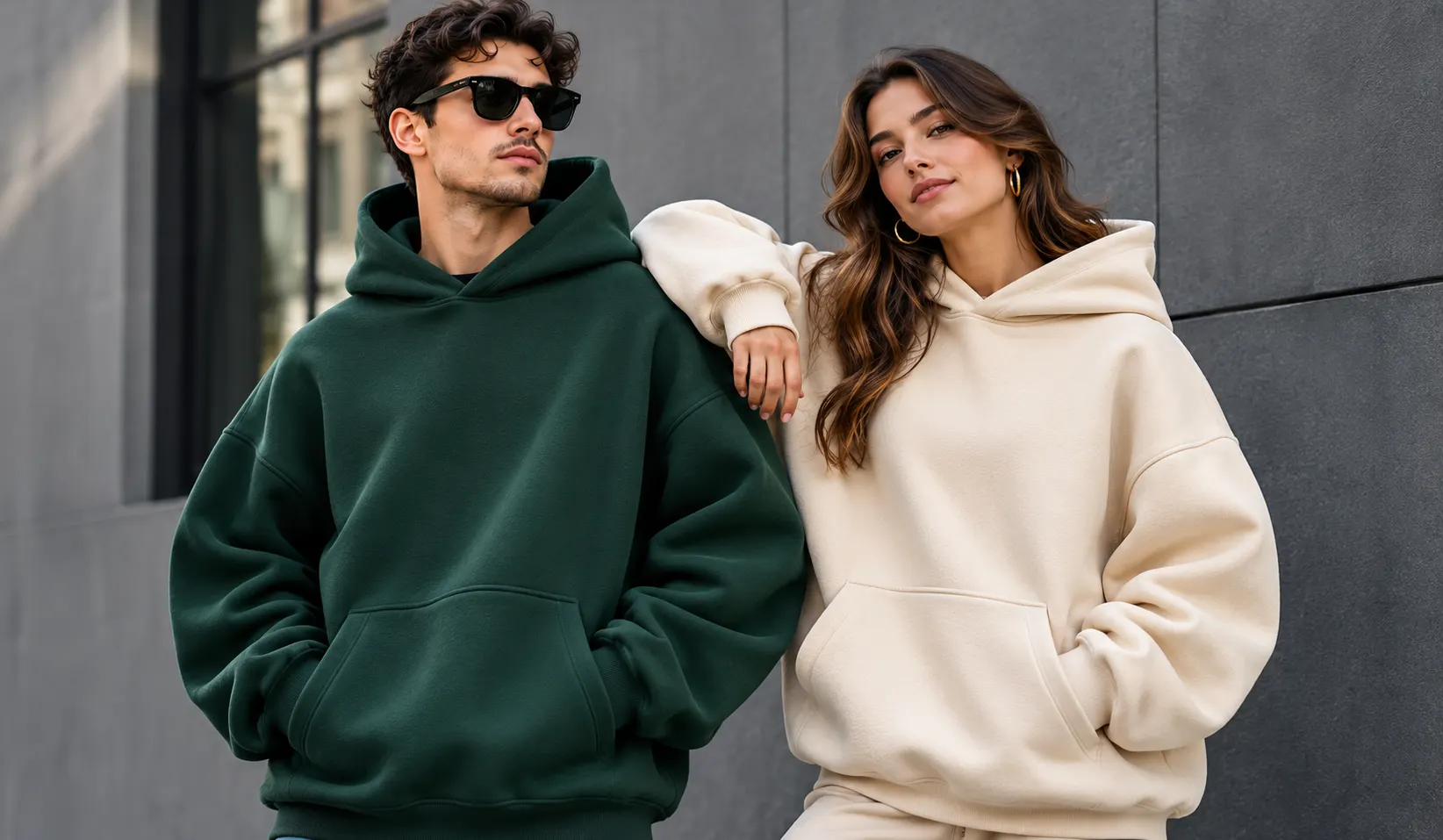
Explore roomier body and sleeve proportions for a relaxed fit.
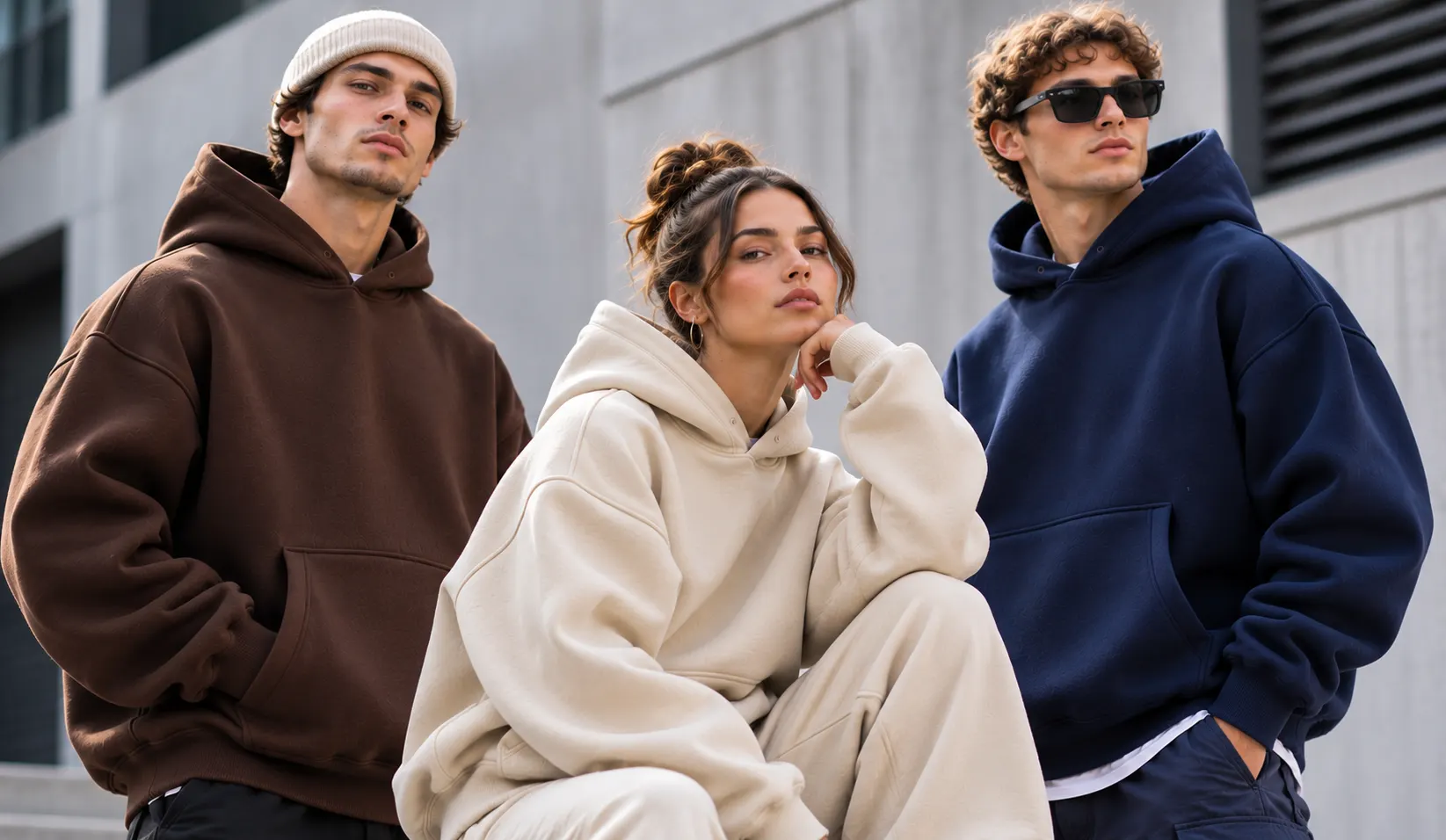
Choose a more substantial fabric feel and consider how it shapes the silhouette.
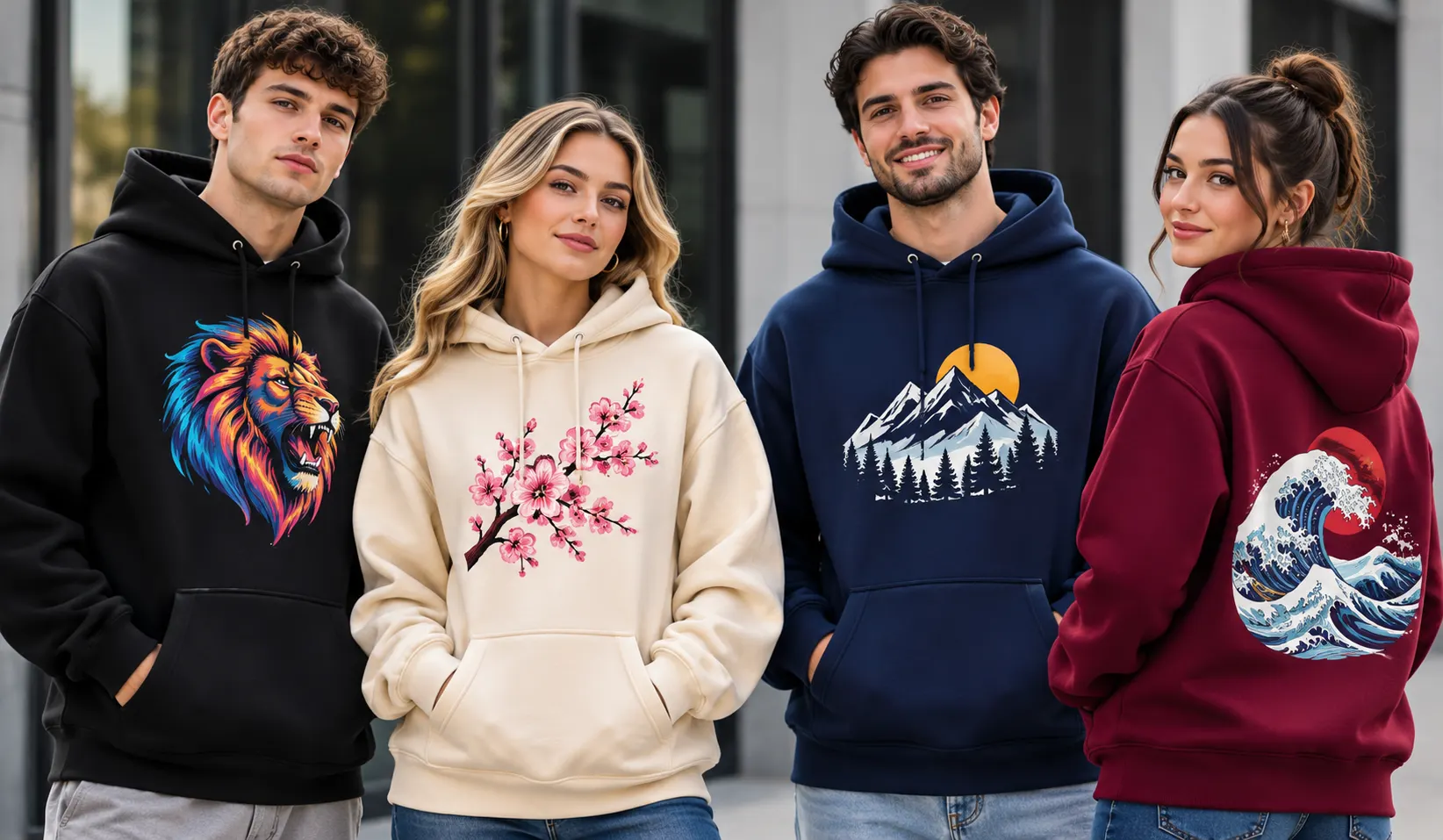
Bring typography, illustrations and multicolour artwork into your garment design.