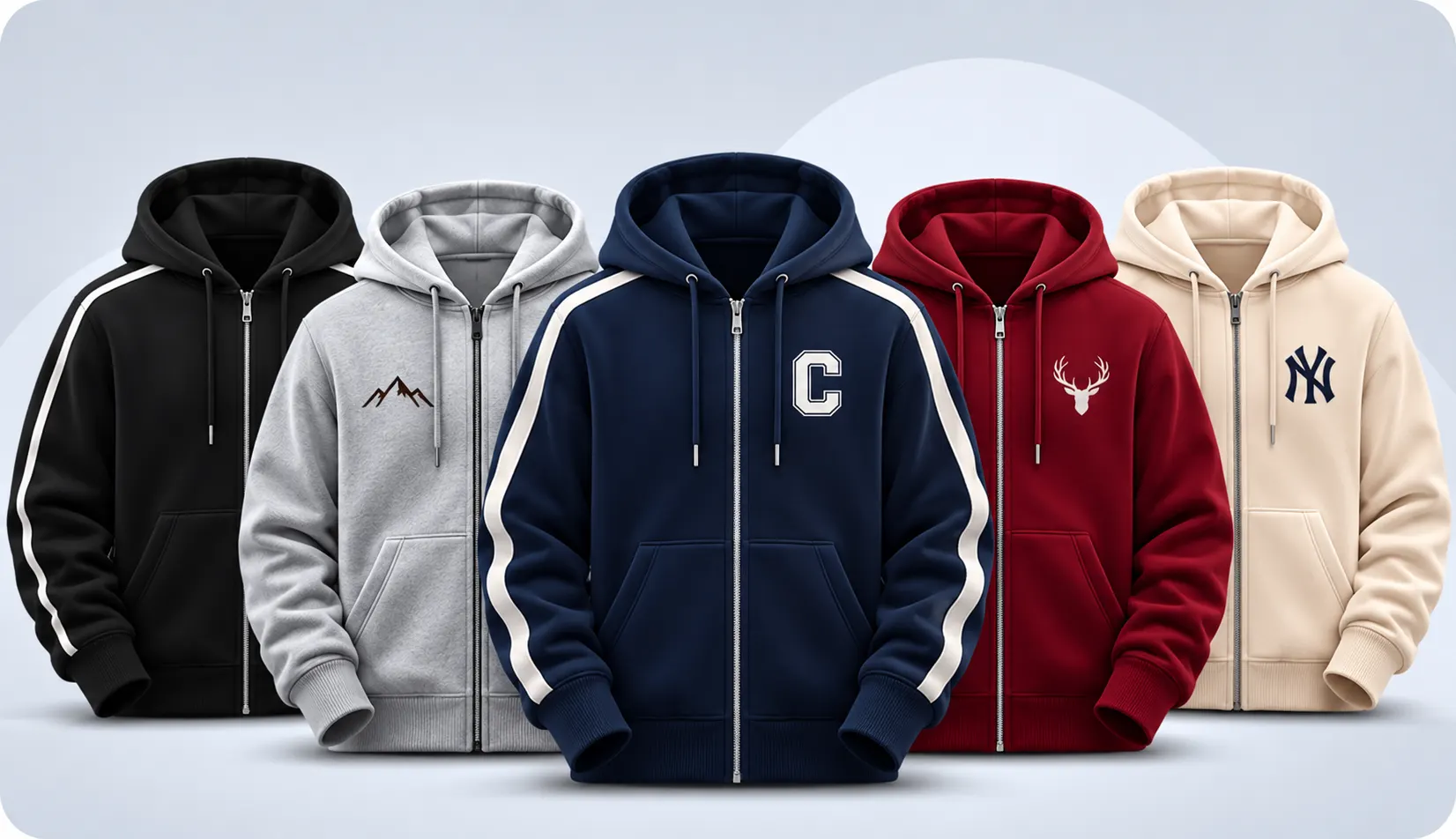
PERSONALISED Heavyweight Hoodies
SUBSTANTIAL FABRIC. DISTINCTIVE BRANDING.
Create a hoodie with a substantial feel and a considered finish. Our custom heavyweight hoodies bring together your preferred silhouette, printed or embroidered artwork and branded details for a product that represents your identity.
Develop a streetwear collection, introduce seasonal merchandise or create a comfortable layer for your team. Explore fabric composition, weight and fit together to find the right foundation for your design.
Minimum 10 hoodies
Printed and embroidered branding
Personalised colours and placements
Options for teams, businesses and brands
10
Minimum order
24h
Free mockup
14–21
Working days
4.9 ★
from 1,200+ clients
FEEL THE DIFFERENCE IN THE FABRIC
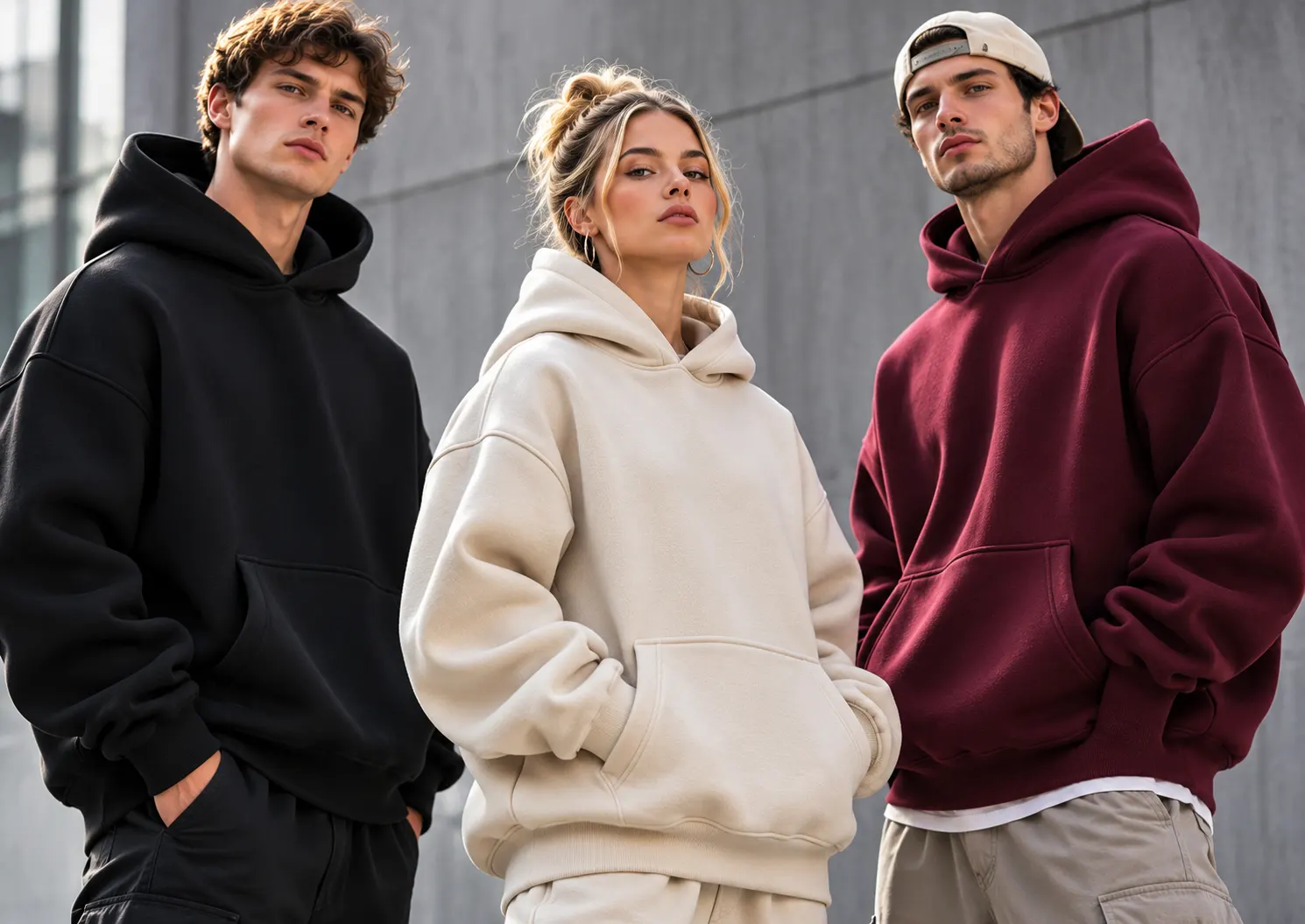
The appeal of a heavyweight hoodie starts with how the fabric feels and falls. A more substantial material can give the garment body, supporting a pronounced silhouette and a weightier feel when worn.
Fabric weight is only part of the specification. Fibre composition, knit construction and finishing also affect softness, drape and comfort. Consider these details alongside the fit to create the result you want.
Choose a weightier material for a hoodie that feels substantial in the hand and when worn.
Explore fabrics that support your preferred silhouette, from a classic regular fit to a broader, relaxed cut.
Combine the garment’s proportions with suitable chest, back and sleeve artwork to build a balanced design.
Bring labels, cuffs, hood construction and packaging into the brief to create a coordinated finished product.
BUILD YOUR SIGNATURE HOODIE
A heavyweight hoodie gives you a foundation for both minimal branding and expressive graphics. Keep the design restrained with tonal embroidery or make the artwork a focal point with a larger printed layout.
Choose decoration around the fabric surface, design detail and finish you want. Weight alone does not determine which printing or embroidery method will work best.
Add texture through suitable stitched logos, lettering and brand symbols. Compact embroidery can create a subtle signature, while larger designs need assessment for stitch density and garment feel.
Create bold typography and defined graphics. Screen printing can suit repeated artwork, with the fabric, design colours and quantity influencing the production approach.
Explore detailed illustrations and multicolour artwork using direct-to-film transfers. Review the design size and coverage alongside the surface feel you want.
Add a raised effect to selected lettering or graphic elements. Simple shapes and clear spacing can provide a suitable starting point for this finish.
Introduce your identity through a custom woven label. Confirm the wording, dimensions and placement as part of the overall garment specification.
Complete the presentation with coordinated hang tags and packaging options for your collection or merchandise range.
DEFINE MORE THAN THE WEIGHT
GSM means grams per square metre and describes fabric mass per unit area. It helps compare fabric weights, but it does not tell you everything about thickness, warmth or quality.
For a clear specification, consider GSM alongside composition, interior finish and garment construction. A brushed fleece fabric can feel different from an unbrushed loopback material at a similar weight.
Garment style
Available pullover, zip-up or other suitable construction
Fabric composition
Available cotton or blended materials
Fabric weight
Confirmed GSM for the selected fabric
Interior finish
Available brushed fleece or unbrushed loopback
Fit
Regular, relaxed, oversized or boxy options, subject to style
Body proportions
Agreed chest width and body length
Shoulders and sleeves
Available shoulder construction and sleeve shape
Cuffs and hem
Available ribbed or alternative finishing
Hood
Hood shape, lining and drawcord requirements
Pockets
Pocket construction for the selected style
Sizes
Confirmed size range and garment measurements
Colours
Available shades and custom-colour enquiries
Decoration
Suitable printing and embroidery methods
Brand finishing
Available labels, hang tags and packaging
Minimum order
Confirmed for the chosen specification
Production schedule
Confirmed with your quotation and approval process
Choose garment colours that support your collection’s identity. Neutrals offer a versatile foundation, while stronger shades can make the hoodie a statement piece.
Review the base colour alongside your print or thread choices. Tonal branding creates a subtle effect, while contrast helps lettering and small details stand out.
Share your preferred weight, composition and interior finish. Include a reference garment or image where possible, explaining whether you want a soft drape, a firmer silhouette or a particular surface texture.
CREATED FOR YOUR COLLECTION OR COMMUNITY
Create a branded garment around your audience’s needs. A weightier hoodie can become part of a seasonal collection, a merchandise range or casual team clothing.
Businesses
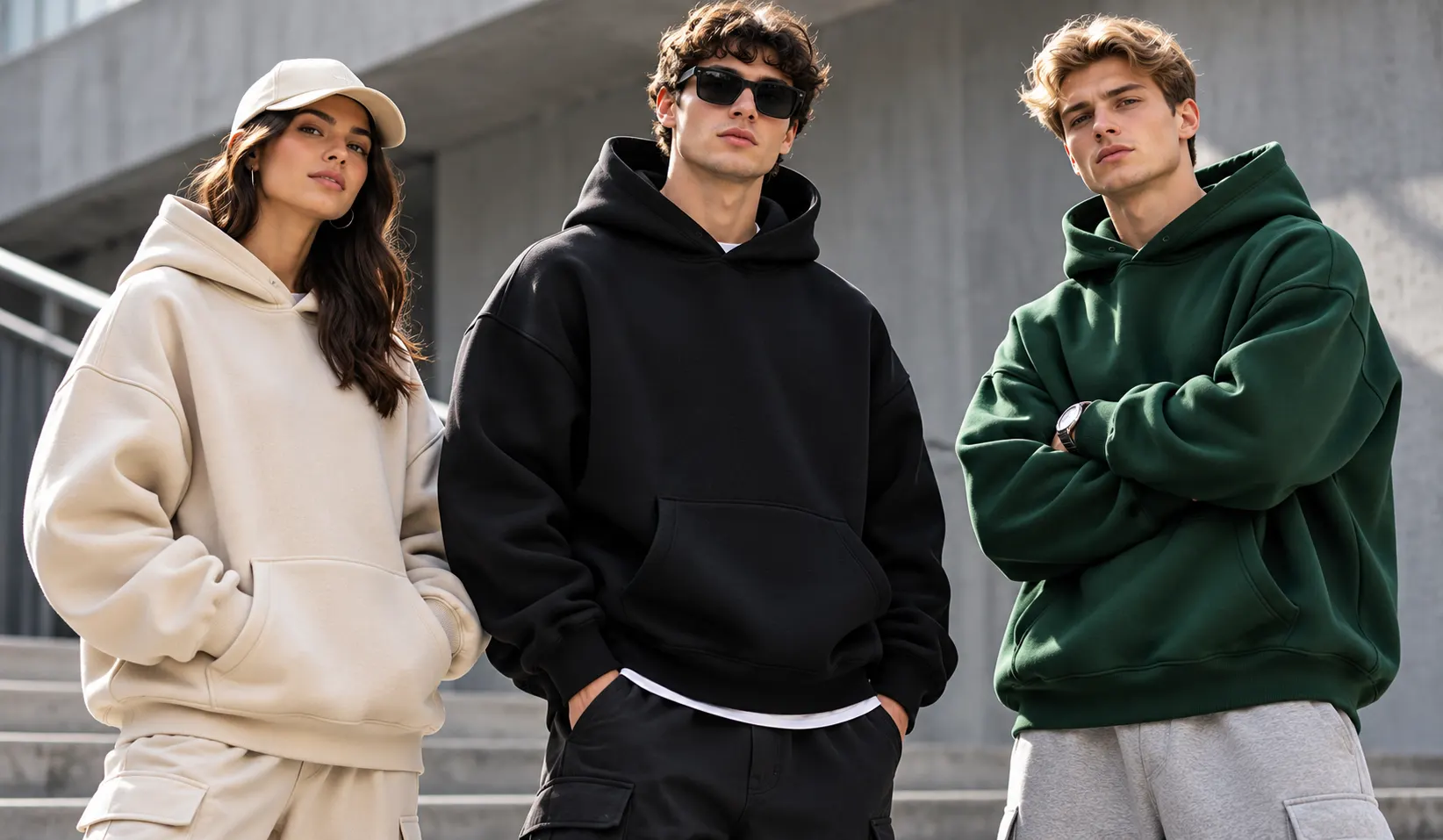
Create heavyweight company hoodies for casual staff wear, corporate merchandise and team activities. Choose the fit around comfort, movement and any layers worn underneath.
Casual staff clothing
Company merchandise
Seasonal team collections
Sports Teams
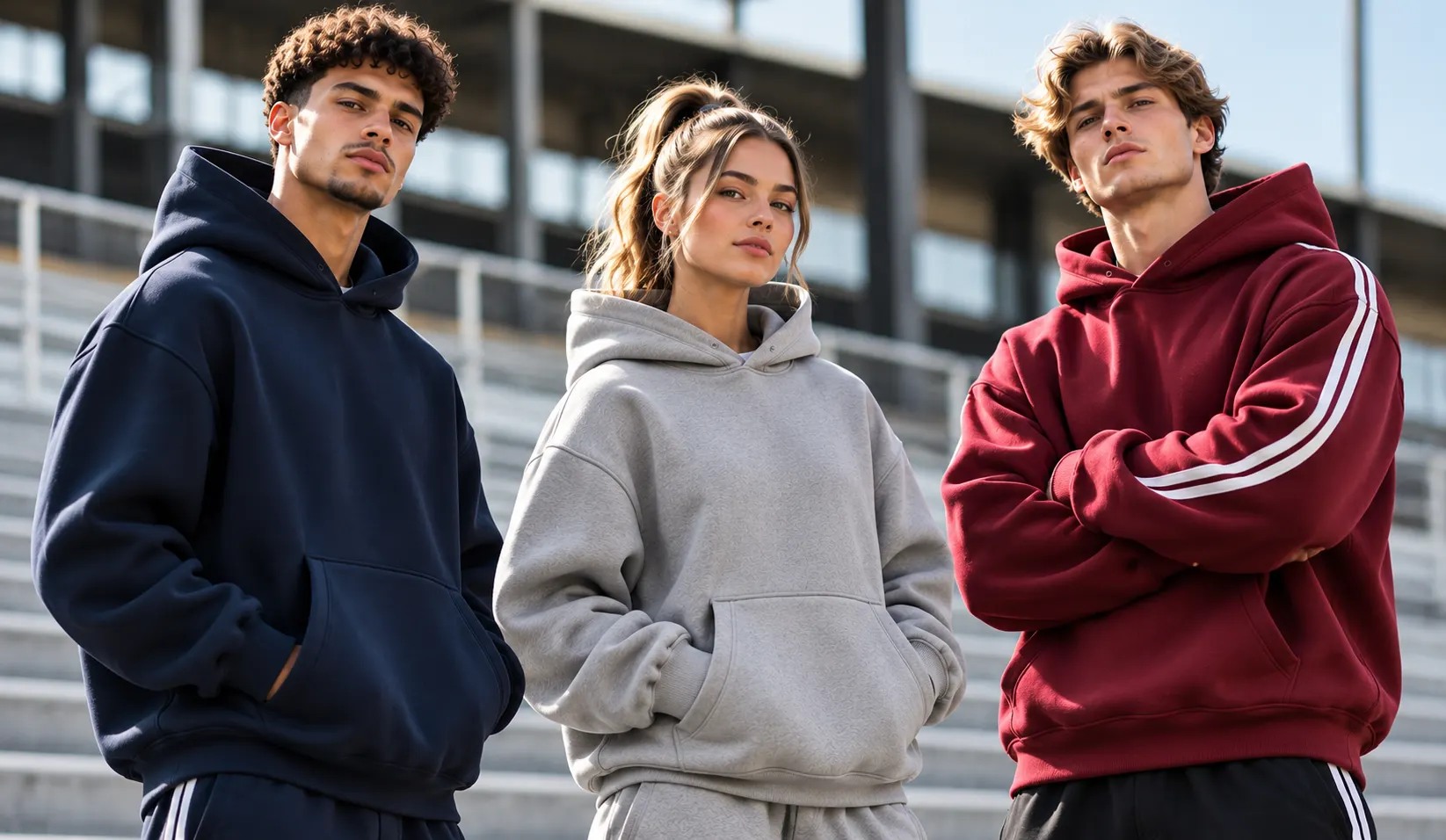
Develop branded hoodies for travel, social activities and supporter merchandise. Combine your team colours with a club crest, names or initials.
Club travel clothing
Supporter merchandise
Player and coach personalisation
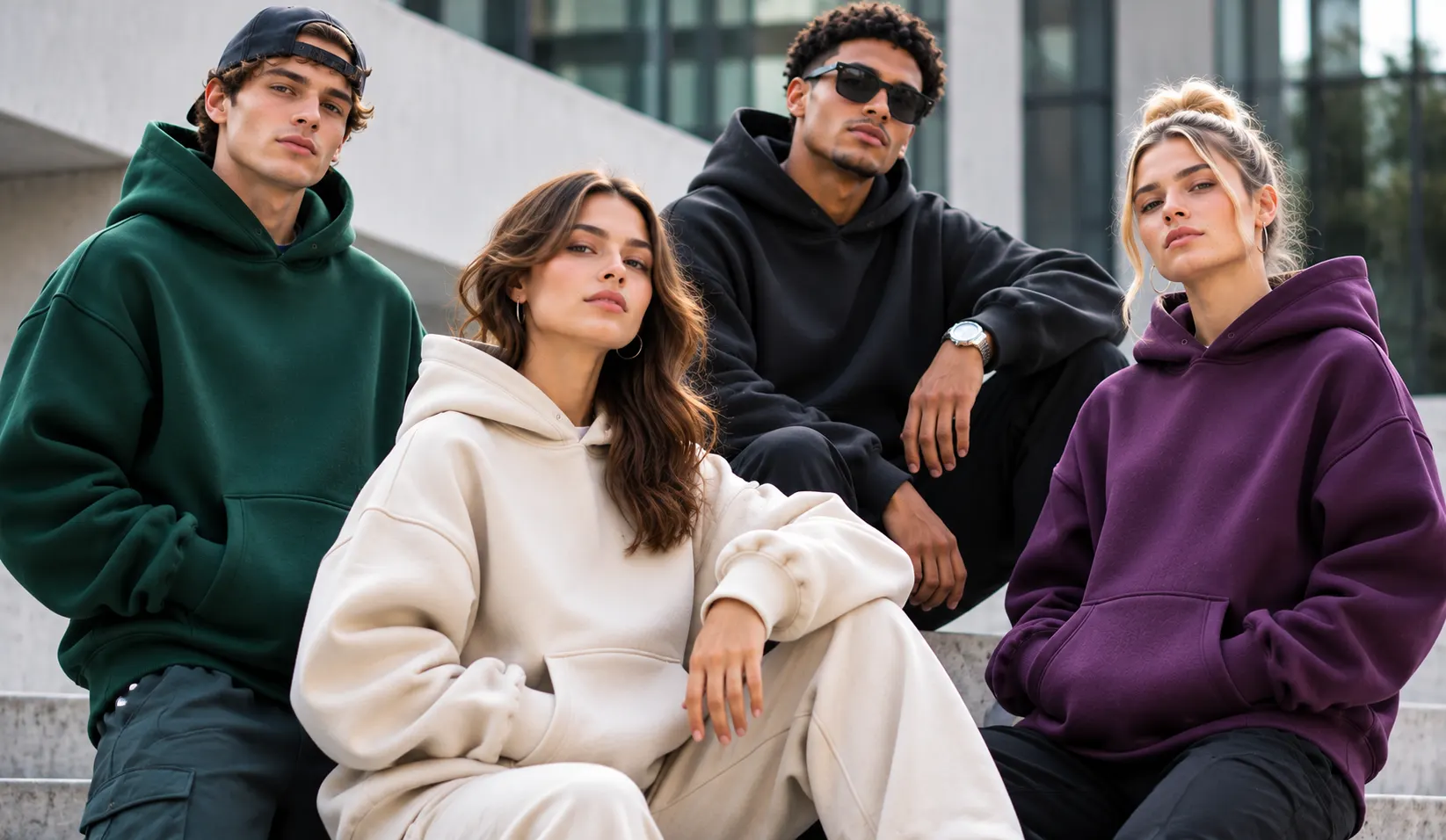
Schools & Universities
Create hoodies for societies, student communities and commemorative collections. Compare the garment measurements and fabric feel before selecting a style for the group.
University societies
Leavers’ and graduation collections
Student merchandise
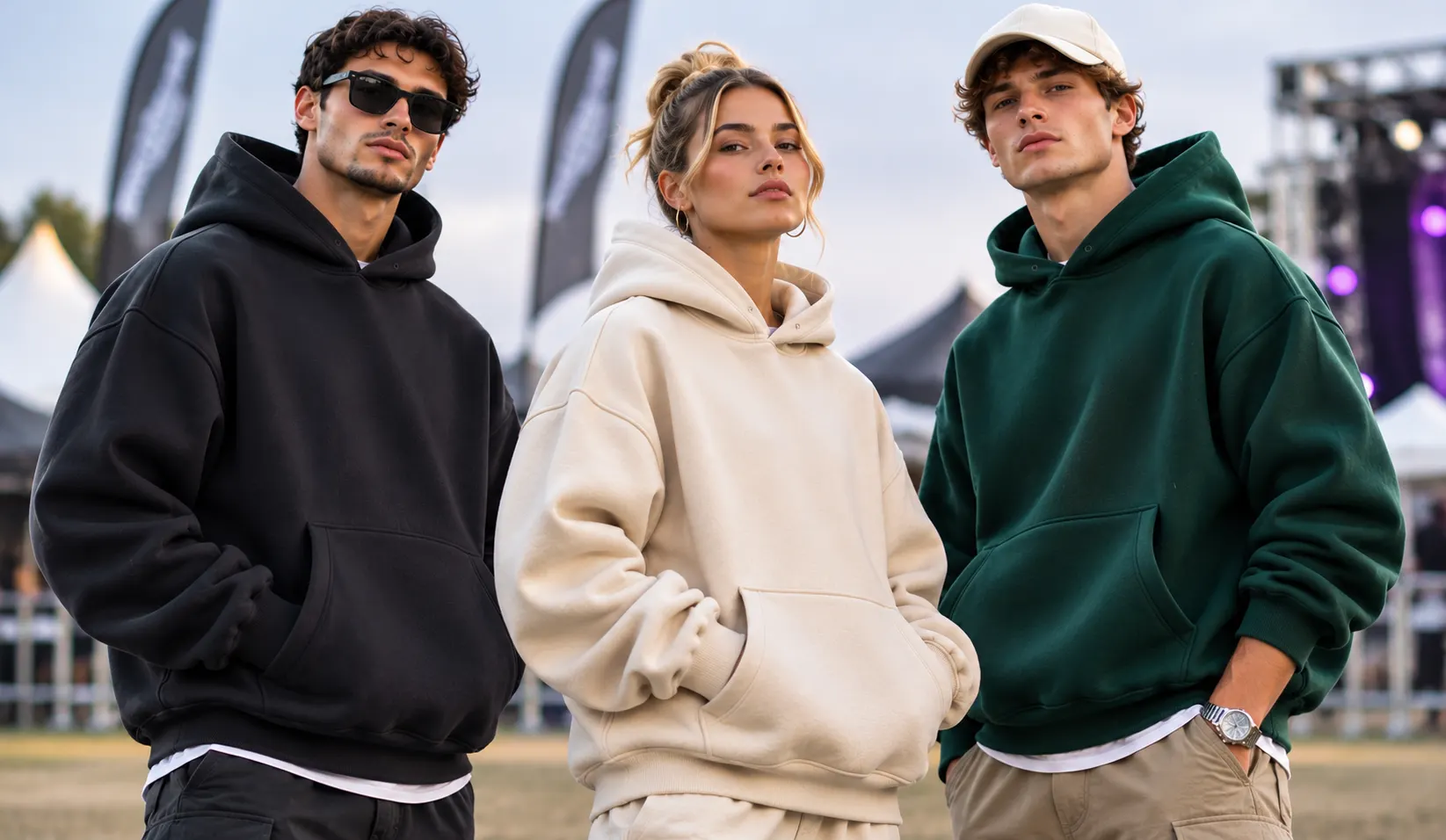
Events
Build merchandise around your event identity, illustration or message. Coordinate the fabric, fit and print to create clothing attendees can continue wearing.
Festivals and creative events
Launch merchandise
Community collections
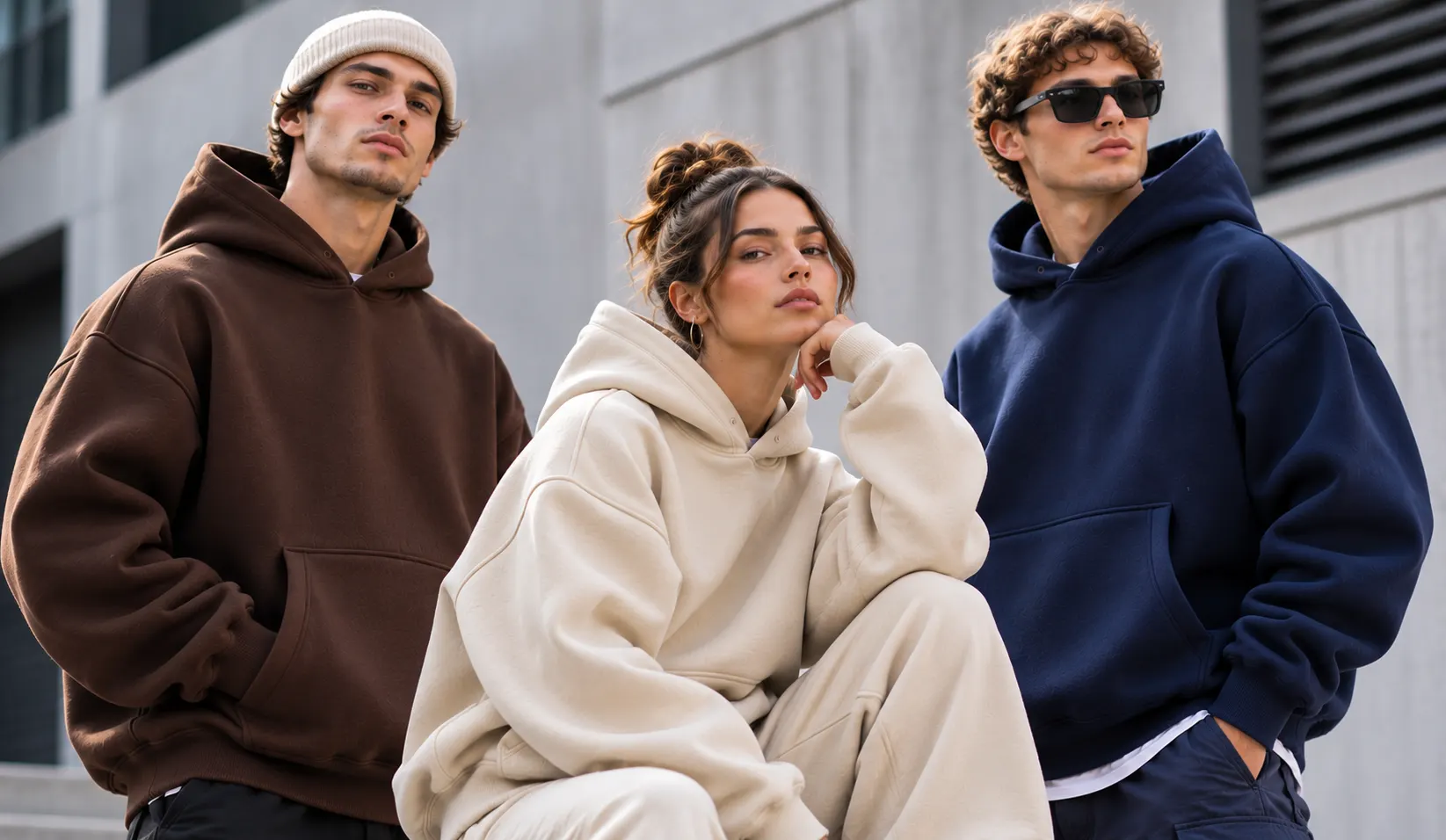
Clothing Brands
Bring the fabric and silhouette into the design process from the beginning. Define the weight, fit, hood shape and finishing before finalising your artwork.
Streetwear and lifestyle collections
Graphic-led releases
Labels and coordinated product presentation
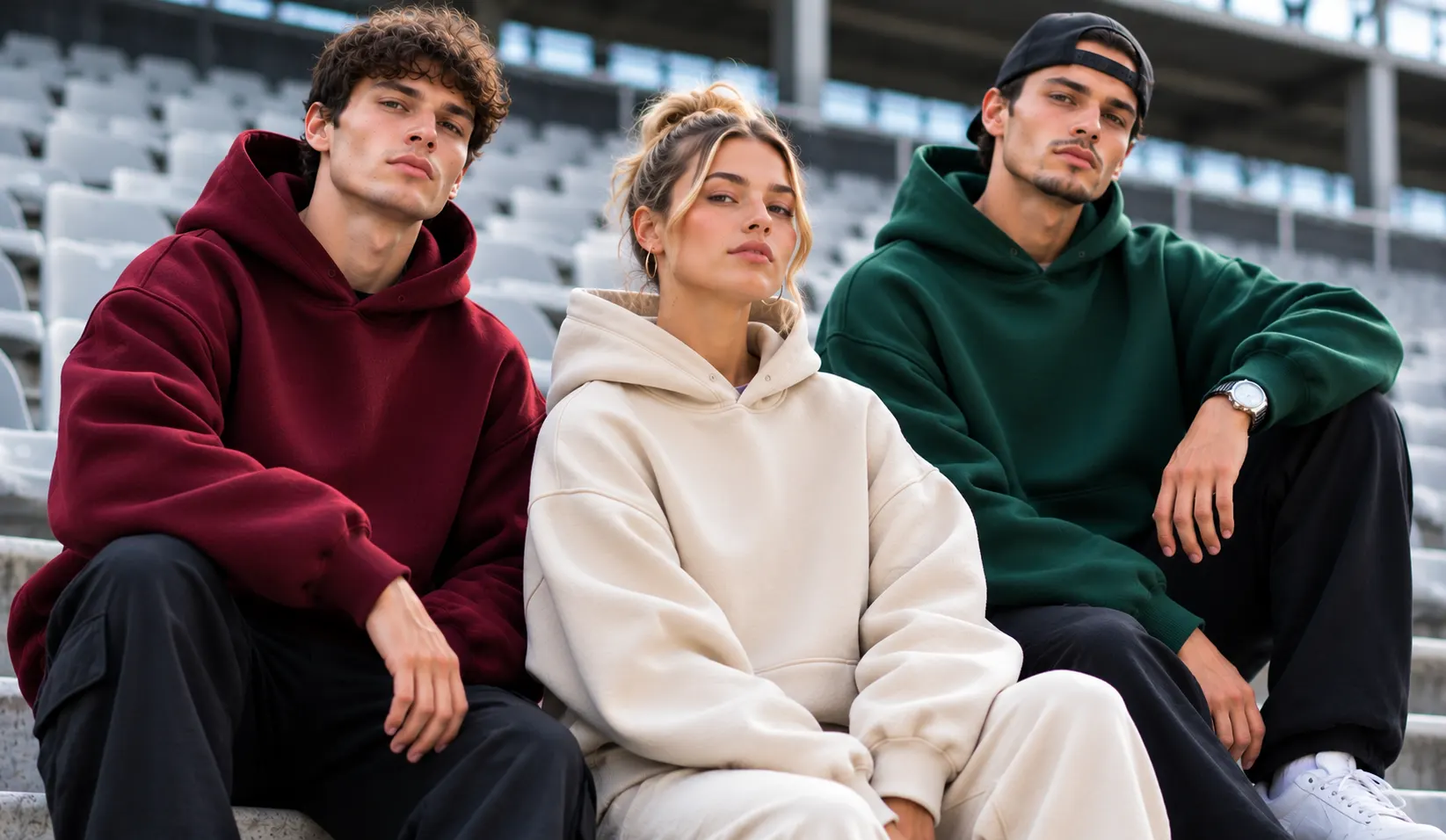
Charities
Introduce heavyweight hoodies to a suitable fundraising or supporter range. Combine your cause’s identity with a design that works in everyday wardrobes.
Fundraising merchandise
Awareness collections
Supporter clothing
FROM FABRIC BRIEF TO FINISHED HOODIE
Define the garment and artwork together so your quotation reflects the complete product you want.
1
Send your quantity, preferred colours, size breakdown and artwork. Include any fabric weight, composition or fit references.
2
Check the proposed fabric, GSM, garment measurements and branding positions. Confirm artwork dimensions and any labels or packaging requirements.
3
Approve the final design and order details. Production follows the agreed garment specification, decoration and approval process.
4
Your completed hoodies are prepared for dispatch to the agreed address. Share any fixed launch or event deadline when you first enquire.
HEAVYWEIGHT HOODIE FAQS
Find practical information to help you compare fabrics and plan your order.
A heavyweight hoodie uses a more substantial fabric than lighter alternatives. There is no single weight threshold used by every supplier, so check the stated GSM, composition and construction rather than relying on the description alone.
GSM stands for grams per square metre. It describes how much one square metre of fabric weighs. It is useful for comparing fabric mass, but it is different from the total weight of a finished hoodie.
No. Fabric weight is one characteristic. Fibre quality, knitting, finishing, construction and suitability for the intended use also matter. A lighter garment can be well made, while a heavier one may not provide the fit or feel you want.
A heavier fabric may provide a substantial layer, but warmth also depends on composition, construction, fit and interior finish. Conditions and activity levels influence comfort, so GSM alone should not be treated as a warmth rating.
Brushed fleece has a raised inner surface with a soft texture. Unbrushed loopback fabric has visible loops on the reverse. They can differ in feel and drape, even where their stated weights are similar.
No. Weight and fit are separate choices. A heavyweight hoodie can have regular, relaxed or oversized proportions. Review the actual garment measurements to understand the silhouette.
Start with the feel, shape and use you want rather than selecting a number alone. Share a reference garment or describe whether you prefer a softer drape or more structure, then assess suitable fabric options.
A boxy fit can be requested, subject to the available garment or custom production options. Define the chest width, body length, shoulder position and sleeves together to establish the intended proportions.
It can be, but embroidery must still be assessed against the fabric and artwork. Stitch density, design dimensions and backing affect the finished result. Very dense designs may change how an area of the garment feels.
Large front or back artwork can be requested within the available print area. Consider the design’s coverage as well as its size, because a large solid print can feel different from a more open graphic.
Yes, you can request a combination such as an embroidered chest logo and a printed back graphic. Include each method and position in your brief for a complete assessment and quotation.
Share your preferences for hood shape, lining, drawcords, cuffs and hem. Available choices depend on whether you select an existing style or a more customised garment specification.
Ask about woven labels, hang tags and packaging options. Provide the artwork, wording and preferred positions so these can be included with the garment requirements.
Shrinkage depends on the fibres, fabric processing and care conditions rather than weight alone. Check the garment specification and follow the supplied care instructions. Do not assume a heavyweight garment is shrink-proof.
Not necessarily. Fibre composition, knit and finishing influence softness and flexibility. If feel is central to your project, discuss how the proposed fabric can be reviewed before committing to the order.
Compare the selected garment’s chest width, body length and sleeve measurements with a hoodie that fits well. Consider how the fabric and intended layering affect your preferred fit.
Provide your complete breakdown with the enquiry. Availability and any minimum requirements can then be checked. Different base colours may require changes to thread or print colours.
Vector files such as AI, EPS or suitable PDFs are useful for logos and defined graphics. High-resolution image files may suit other designs. Include the intended decoration dimensions and placements where possible.
The minimum depends on the garment specification, fabric and decoration requirements. Share your intended quantity so suitable options can be confirmed.
Pricing depends on fabric, construction, quantity, decoration and finishing. GSM can influence material requirements, but it is not the only cost factor. Custom labels, individual personalisation and packaging can also affect the quotation.
Timing depends on fabric or garment availability, artwork approvals and production requirements. Request an estimated schedule with your quotation and highlight any fixed delivery date before confirming.
Follow the garment care label and any decoration-specific instructions. Use the recommended washing and drying methods, and avoid applying an iron directly to printed or embroidered artwork.
FIND YOUR PREFERRED FIT AND FINISH
Compare different silhouettes and constructions to build the right clothing range for your audience.
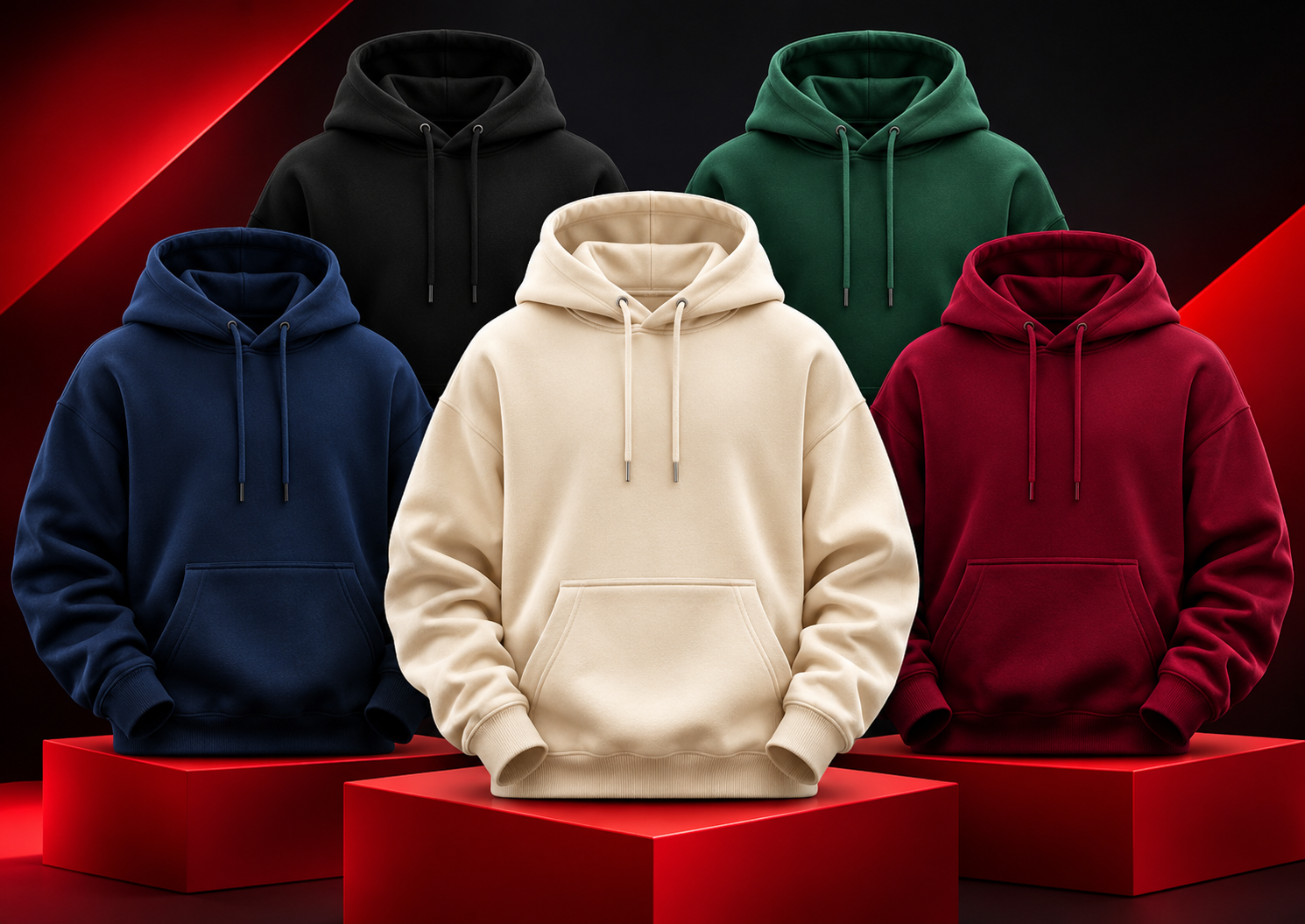
Choose a classic overhead style with a continuous front panel for branding.
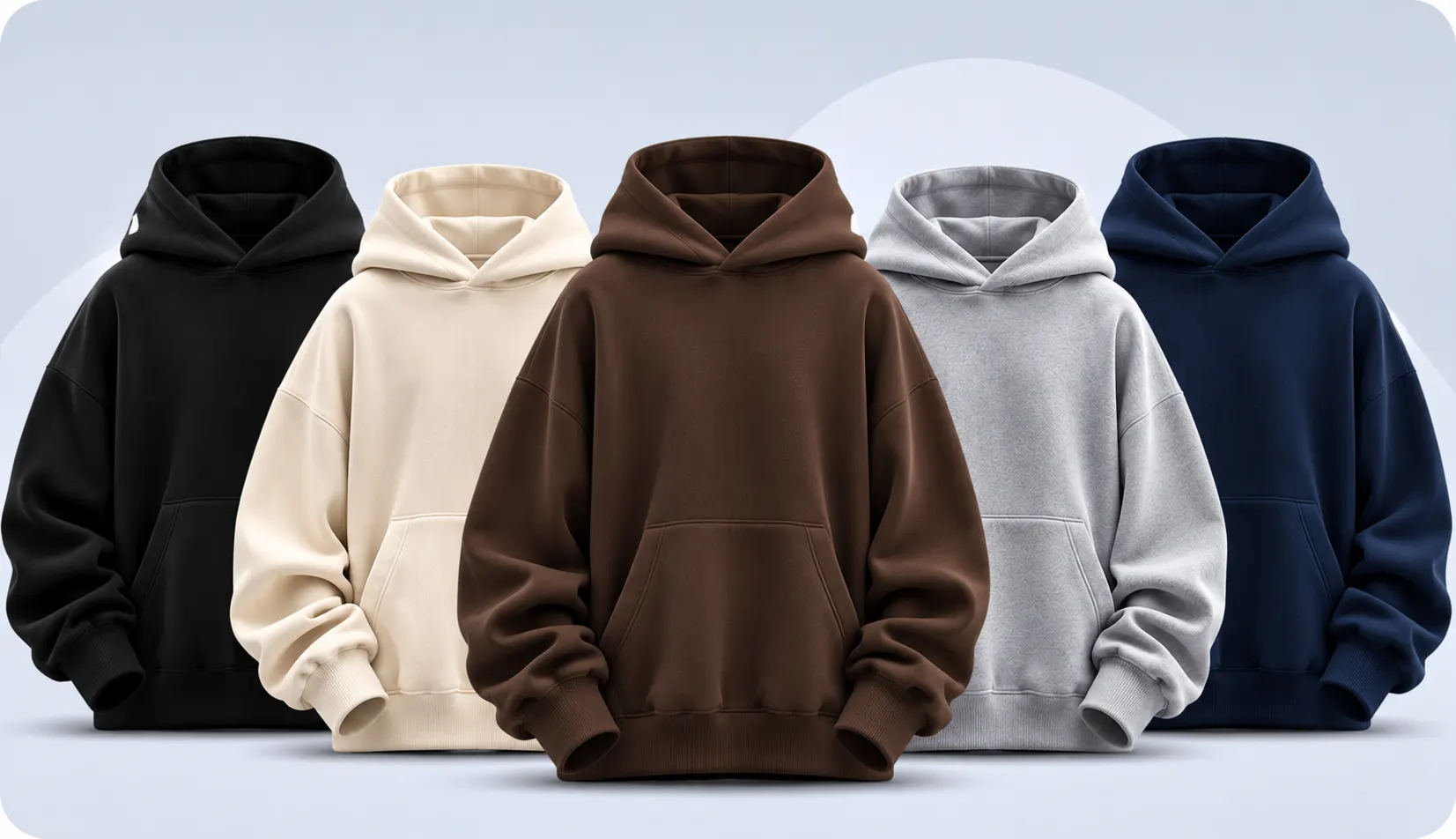
Explore roomier body and sleeve proportions for a relaxed silhouette.
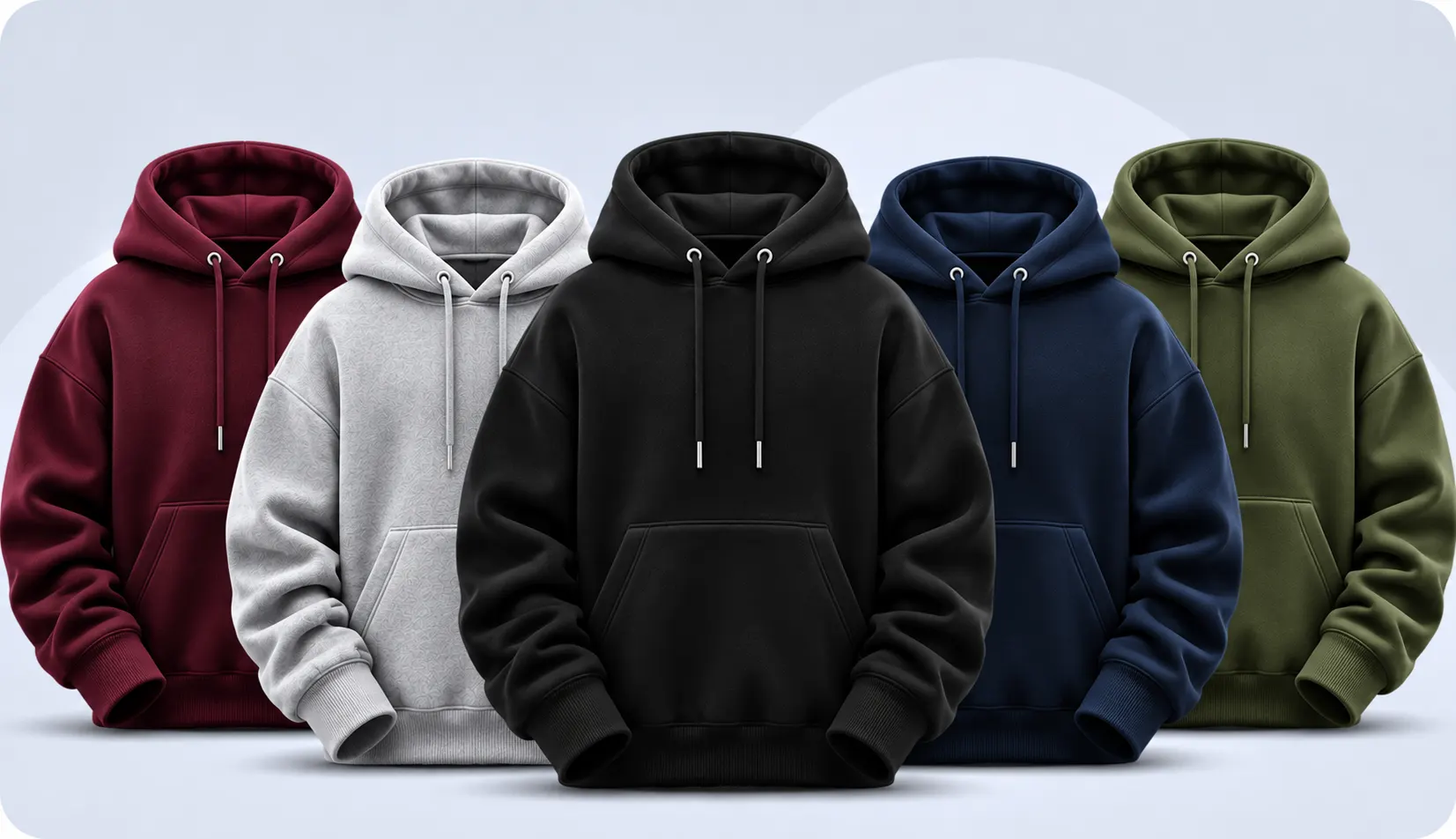
Focus on the inner finish and construction for comfortable cooler-weather layering.